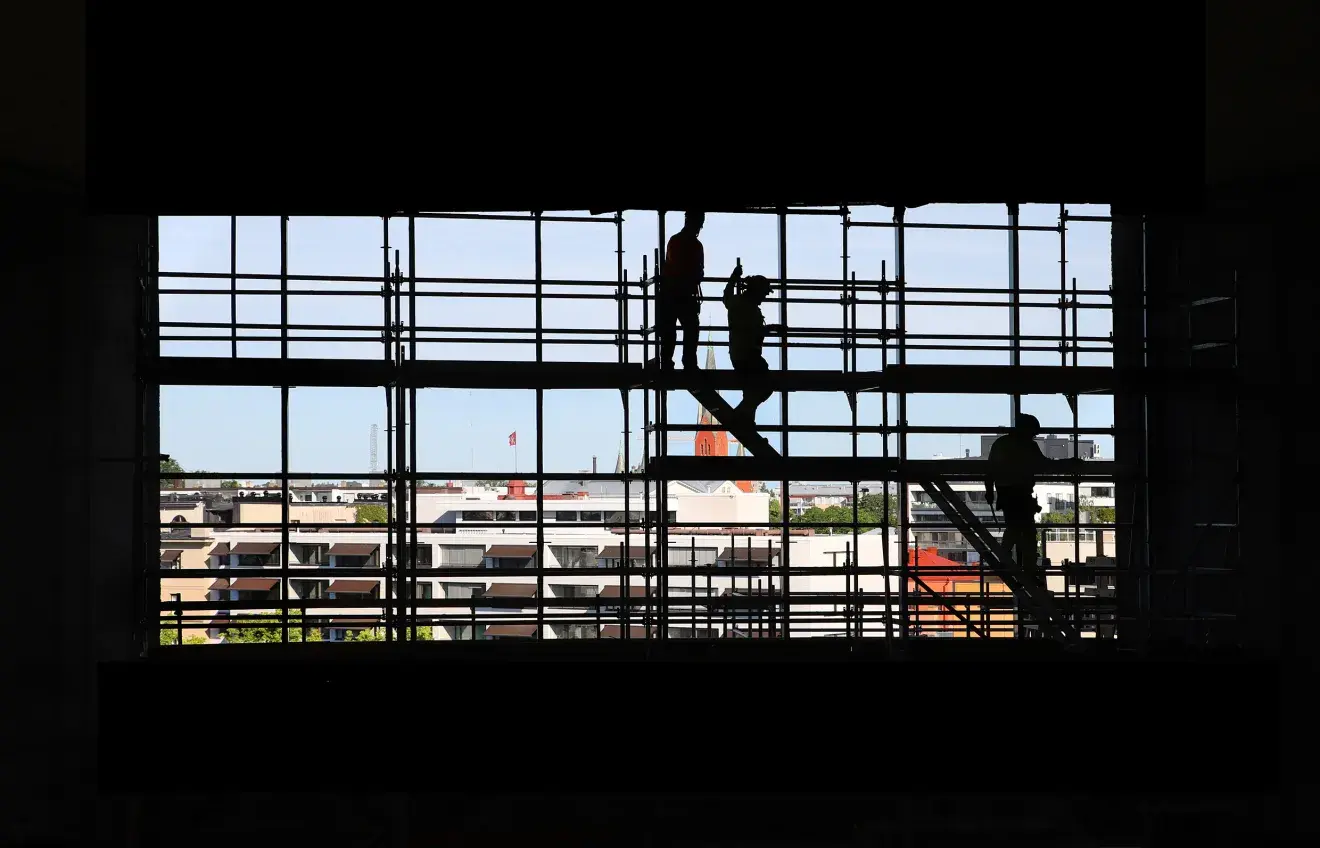
The designers of Turku Music Centre Fuuga have drawn inspiration not only from the nearby Aura River, but also from the surrounding buildings. The façade of the building features copper, while the interior is dominated by wood and clay.
Martin Lukasczyk and Satu Mattila of PES-Architects are very familiar with the music Centre construction site. Amidst the construction noise and unfinished areas, they can already see the finished building in their minds. For them, the music Centre is all about rhythm, light, shapes and harmony. The building will open in autumn 2026.
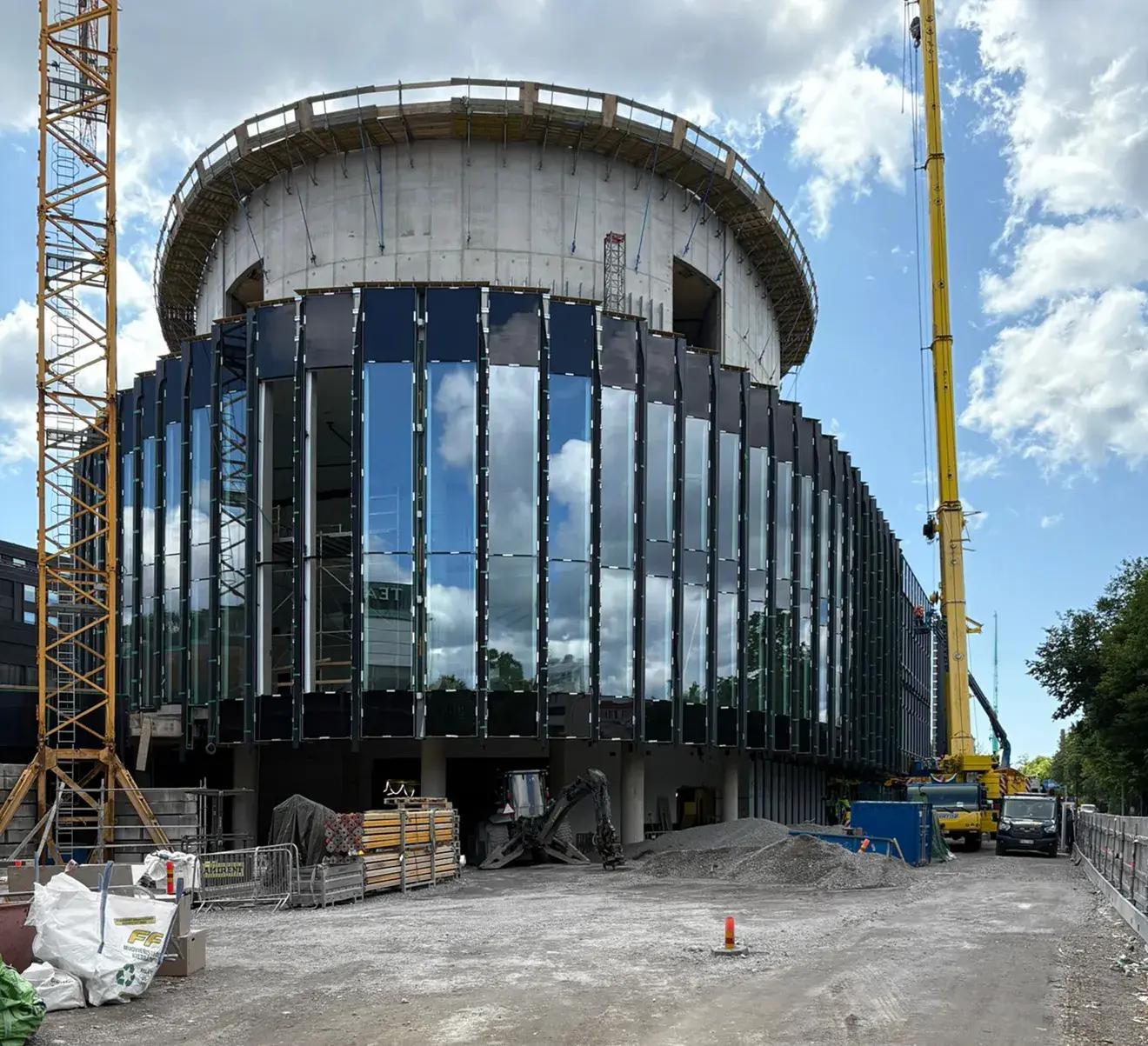
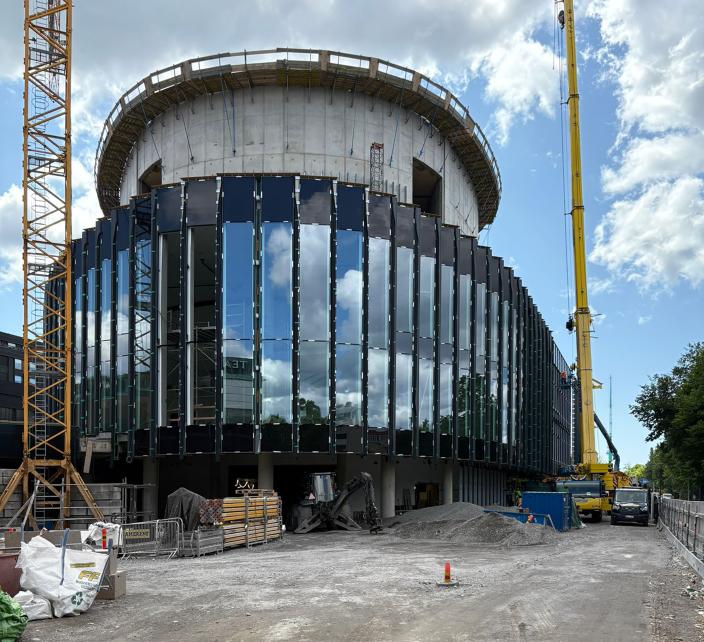
When asked about the themes that have influenced the design of the music hall, the designers mention the zigzag-shaped window wall and the curved shapes of the walls. These elements, inspired by the Aura River, surround the impressive performance spaces and frame the views to the outside.
An open and accessible building
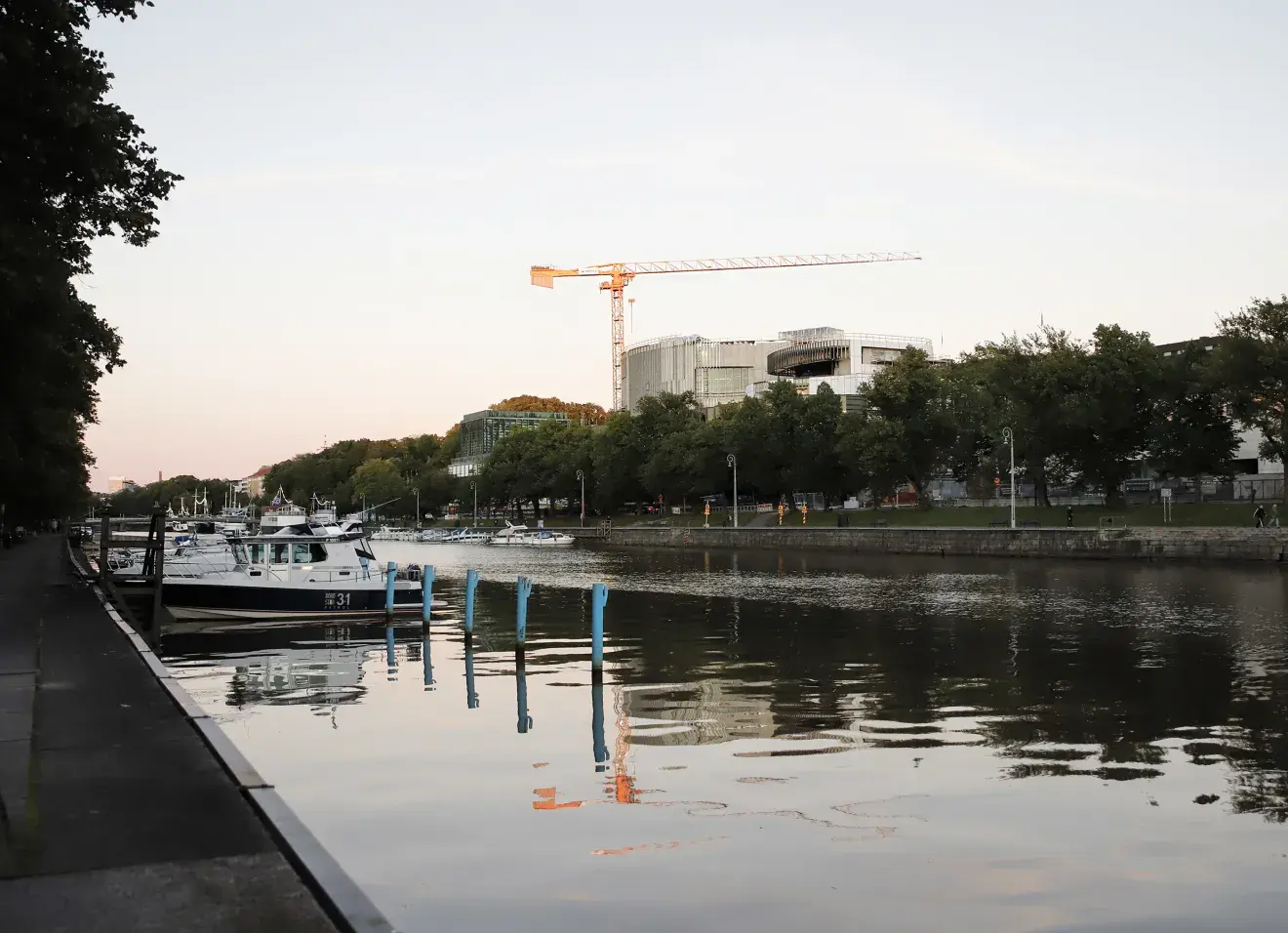
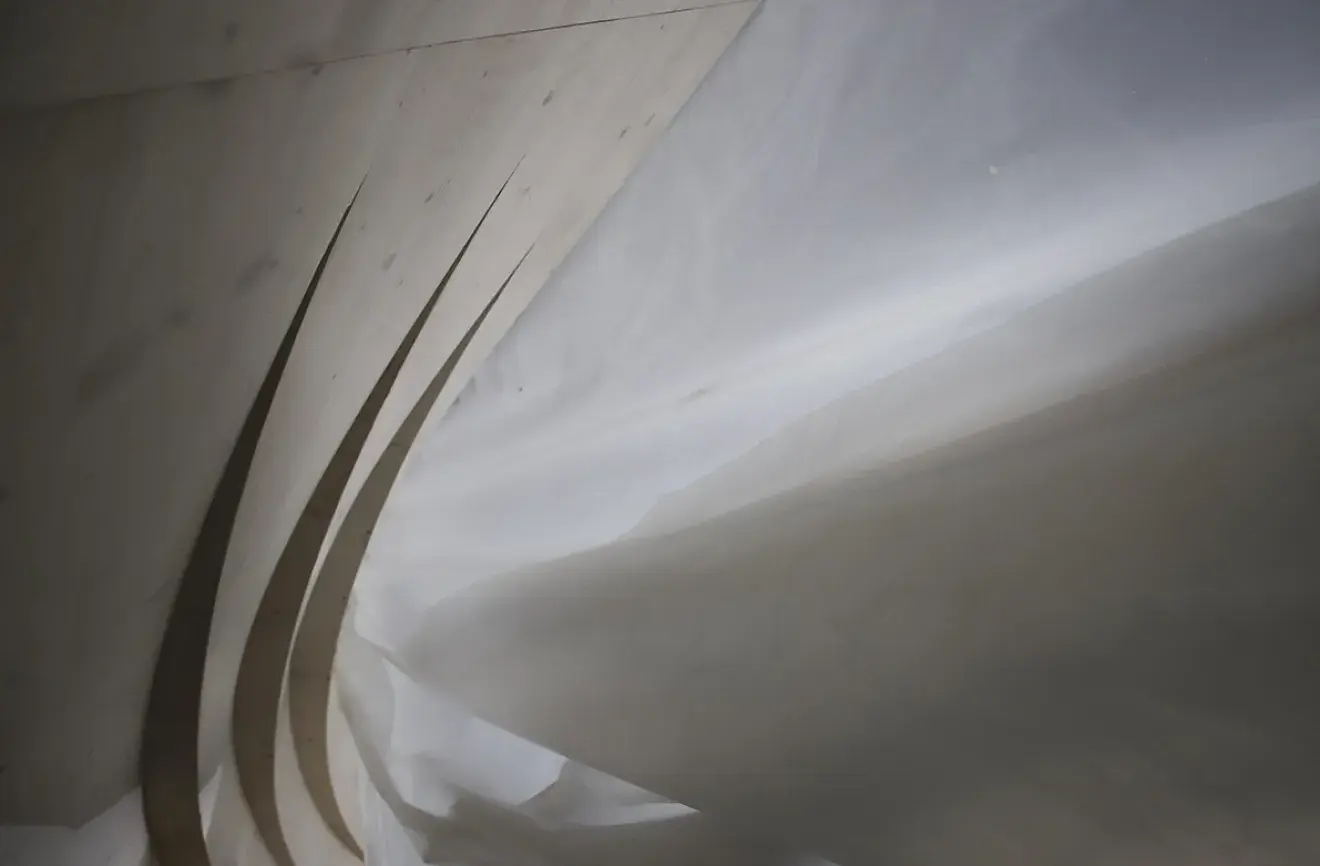
The Aura River has served as a design theme in two ways: the narrow, tall windows on the riverside create a dialogue between the interior and the city. On the other side, the curved wall structures of the building also symbolise the flow of the river. The designers call this undulating wall “a ceramic river”.
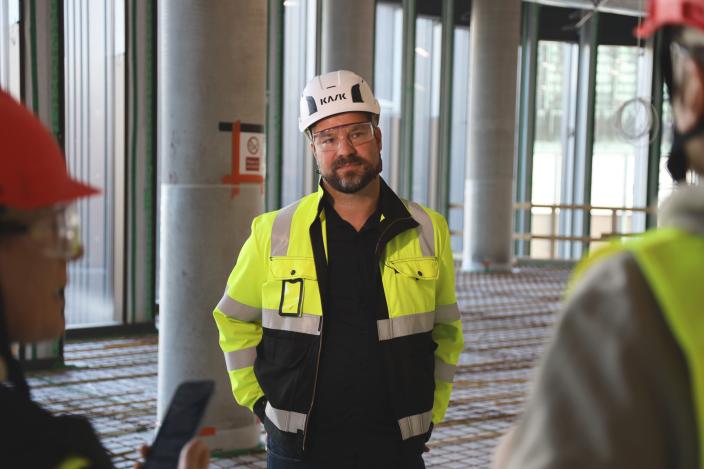
"The most important aspect in the design of the building was to ensure, for example, that the public foyer has unobstructed views of the river and the city. Another important goal was that the people inside the music Centre would be visible from the outside," says architect Martin Lukasczyk.
The aim was to make the music Centre as open and accessible as possible.
"I really hope that the city's residents will see Fuuga as a complementary addition to the area, one that is carefully designed to fit in with Turku City Theatre, WAM Turku City Art Museum and the nearby government office building."
Lukasczyk has served as the architectural project manager and was primarily responsible for designing the concert hall.
"The large concert hall is definitely the highlight of the whole project for me. I've also spent most of my working time designing the hall. I knew it would be great, but the result is even better than I ever dared to hope for," he says with a smile.
The chief designer of the music Centre is Tuomas Silvennoinen. Silvennoinen is an experienced and distinguished architect, a senior partner and the chair of the board at PES-Architects. In addition to Fuuga, his work can be seen in the Ferry Terminal Turku and the planned Turku Railyard Experience Centre.
The environment dictates choices
The designers emphasise that when designing public buildings, it is extremely important for the project to be rooted in the local culture.
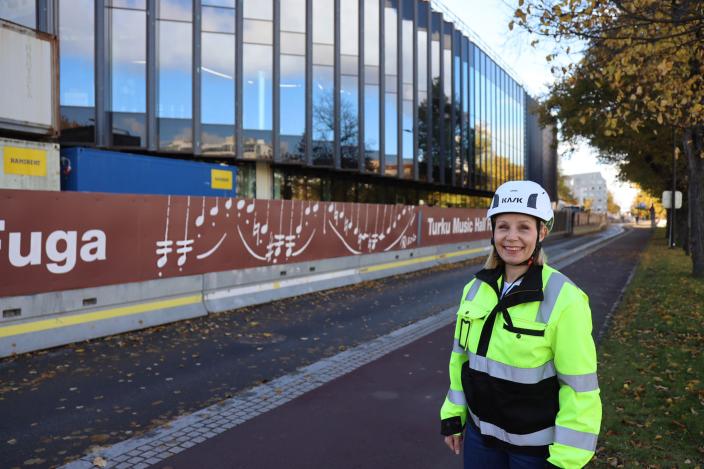
"The environment provides inspiration for the designer, which at Fuuga, of course, is related to the close connection that the music Centre has with the nearby government office building and the theatre," says interior architect Satu Mattila.
In addition to the environment, history also influences the choice of building materials suitable for this particular building.
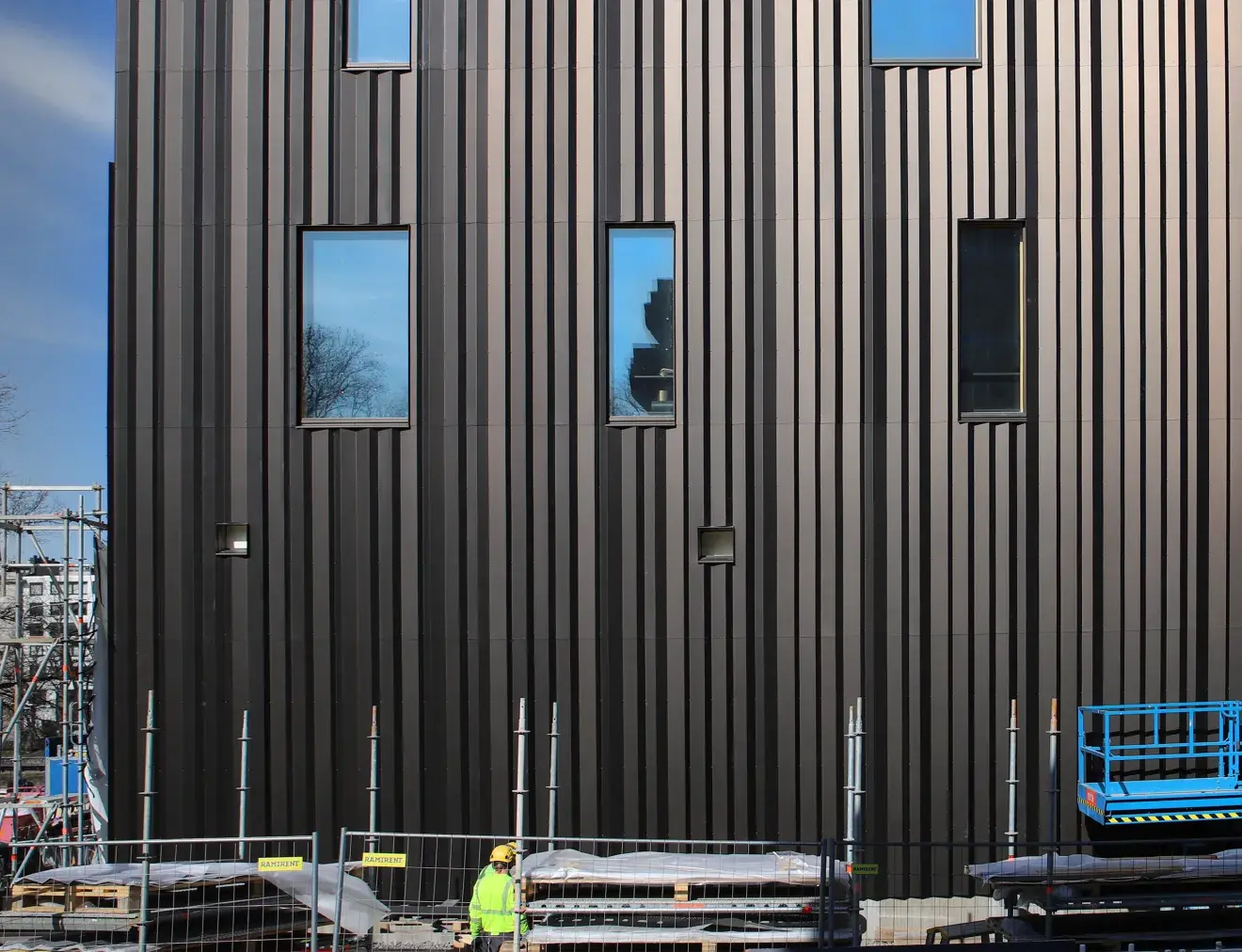
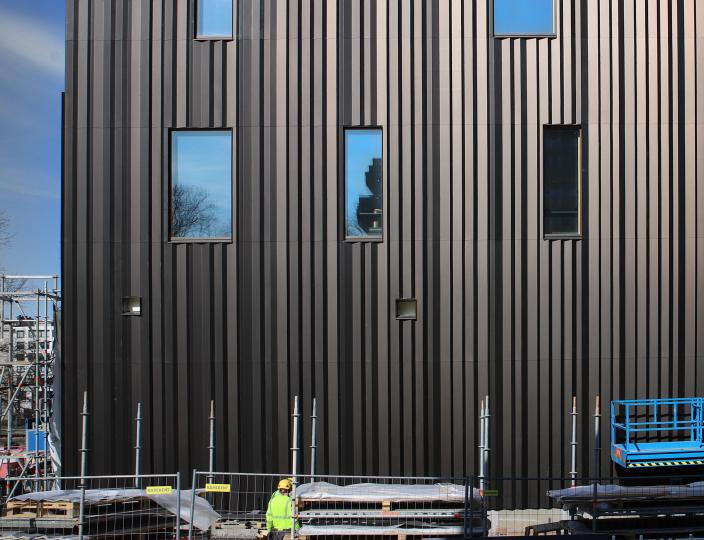
A few main materials were selected for the interior of Turku Music Centre Fuuga: earthy spruce wood for the concert hall, ceramic rods echoing the style of Kupittaa clay, and copper visible on the façade.
"The inspiration for the materials was chosen from neighbouring buildings. Very neutral and durable materials, such as concrete and wood, were sought to complement them," Mattila explains.
The acoustics of the concert hall have been central to the design of Fuuga. The acoustic planning has been carried out by some of the world’s leading experts, strongly based on the latest scientific knowledge. The Akukon & Kahle Acoustics consortium is responsible for the acoustic design.
Fuuga's acoustics are linked to the architectural appearance of the concert hall. The concert hall is a so-called shoebox model, modified into an oval shape.
"Over the years, I've come to understand that you can 'read' the acoustics from the shape of the hall. The aim has been for the audience to be fully surrounded by music, which also involves the vibrations caused by the music and shaped by design, which are made possible by the floor structure of the hall," explains Martin Lukasczyk.
The concert hall is soundproofed from external noise and vibrations. All sound coming from inside the music hall is also isolated.
Natural light also enters the main hall
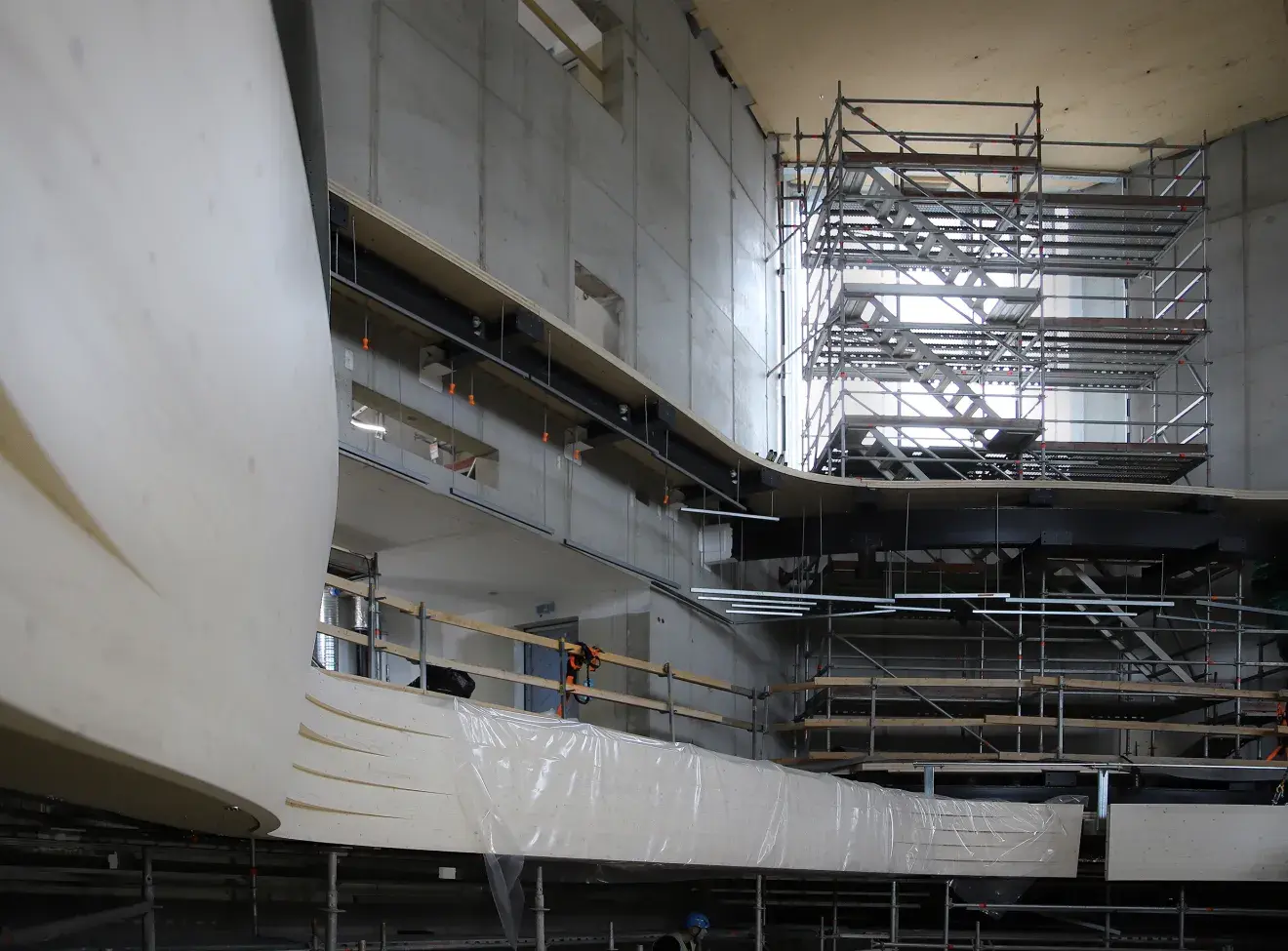
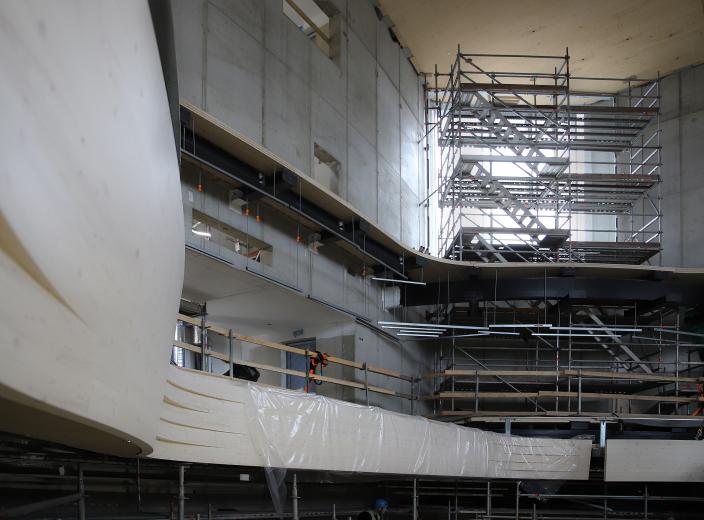
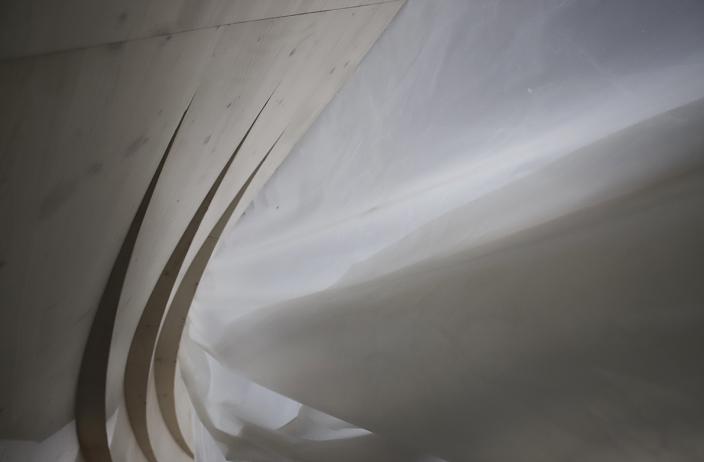
Fuuga's main concert hall is also exceptional in that it has windows opening to he outside. The light flooding in from above gives the hall a distinctive character and tone. The curved shapes and surfaces of the interior wood panelling add warmth. The wall panelling is made of Finnish spruce, while the stage structure is of pine. The hall's wooden structures were manufactured by Raision Puusepät.
It is easy to see how pleased the architects are. Turku and its musicians are getting a magnificent concert hall. Satu Mattila is responsible for the interior design and the overall user experience solutions.
"I have a background in music. For this reason, I have always emphasised that this is a workplace for the musicians. The audience enjoys the facilities during concerts, but musicians spend a lot of time practising in their workspaces. That is why their functionality is extremely important. A happy musician is a good musician," she says with a laugh.
The music Centre is being built under an alliance model, which includes the City of Turku, Hartela, PES-Architects and WSP Finland with Laidun-design as subcontractor.
• Exceptionally high-quality acoustic design.
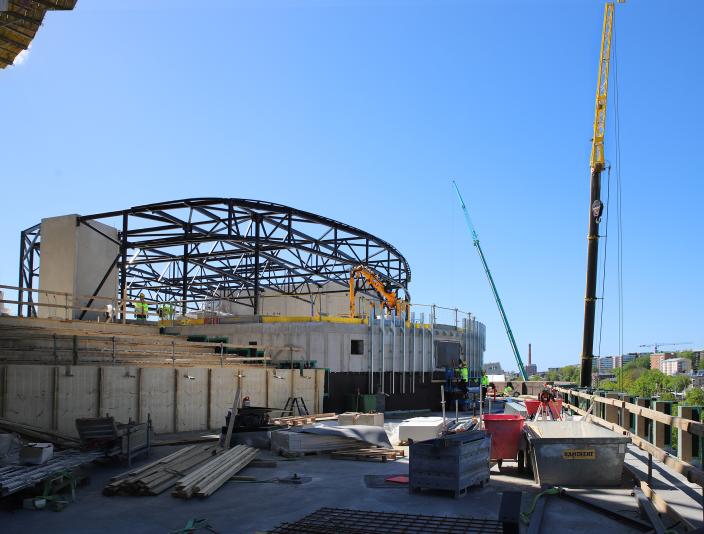
• A wonderful roof terrace with a restaurant. Fantastic views of the Aura River from above.
• Extensive use of domestic wood materials. The unique CLT cladding of the concert.
• Facade materials that blend in with the surroundings.
• The natural lighting concept in the concert hall.
• Functionality, ecology, durability.
Fuuga is a demanding construction project
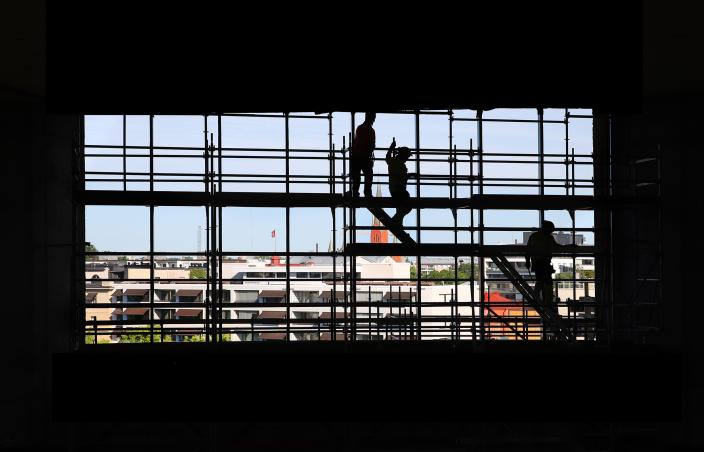
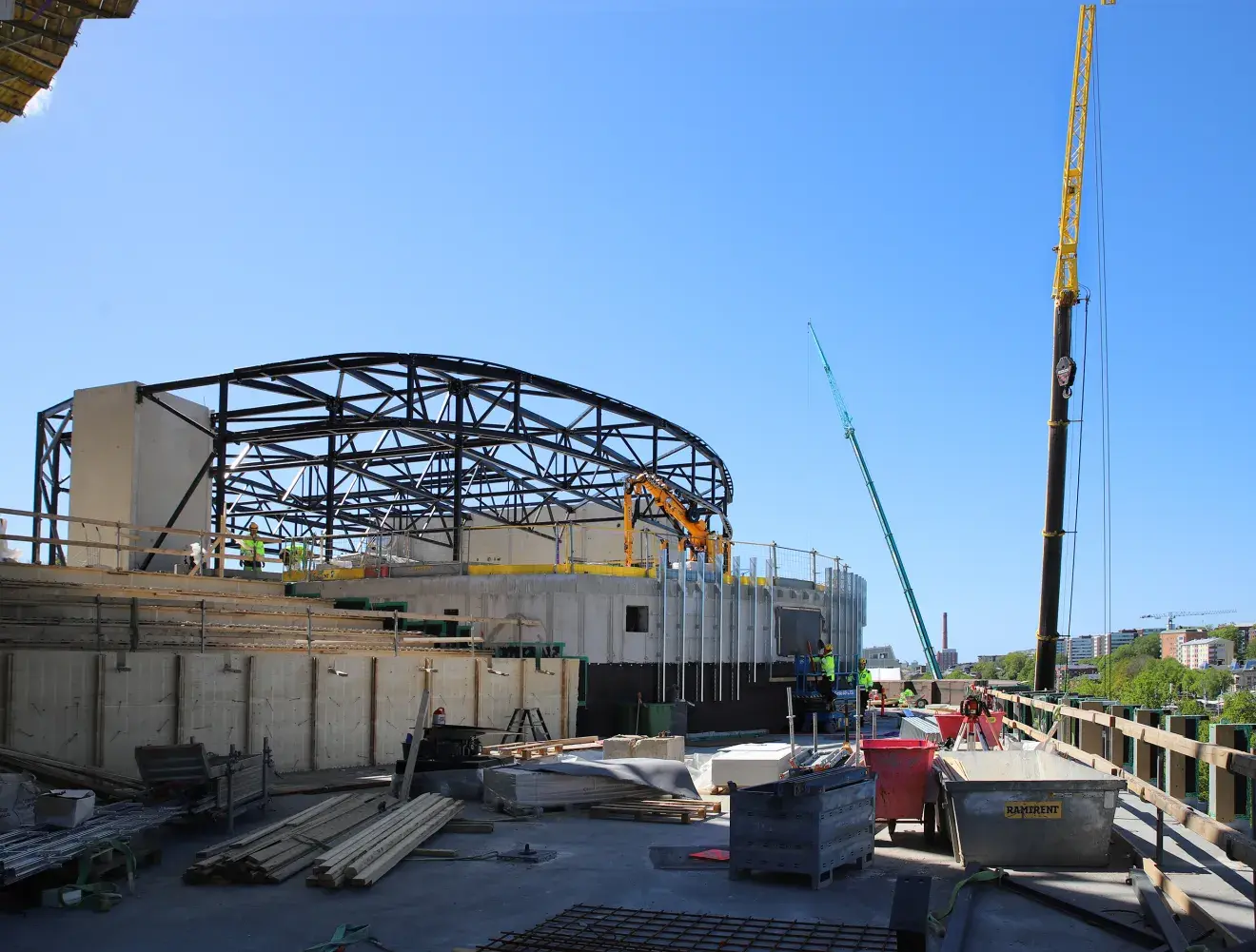
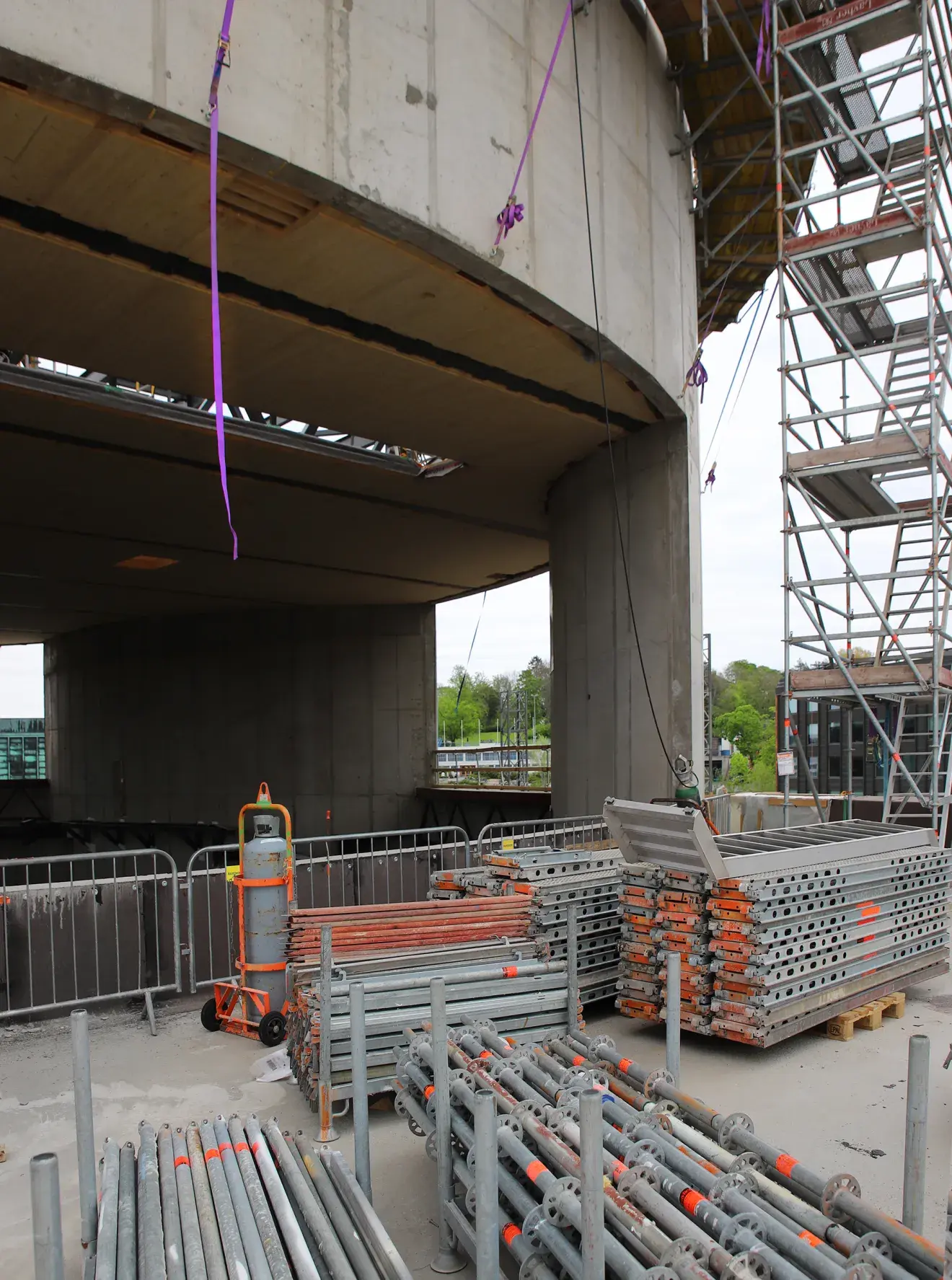
The construction and design of Turku Music Hall Fuuga has required special expertise. A unique building is rising on the banks of the Aura River. Architect Marko Kivistö has photographed the music hall throughout its construction.
-
Musiikkitalo Fuugan rakennusaika, Open image in gallery
-
Musiikkitalo Fuugan rakennusaika, talon profiili joen yli kuvattuna., Open image in gallery

-
Musiikkitalo Fuugan rakennusaika, konserttisalin sisäverhouksen asennus., Open image in gallery
-
Musiikkitalo Fuugan rakennusaika, konserttisalin puuverhous., Open image in gallery
-
Musiikkitalo Fuugan rakennusaika, rannan puoleinen julkisivu., Open image in gallery
-
Musiikkitalo Fuugan rakennusaika, kattoterassi., Open image in gallery
-
Musiikkitalo Fuugan rakennusaika. , Open image in gallery
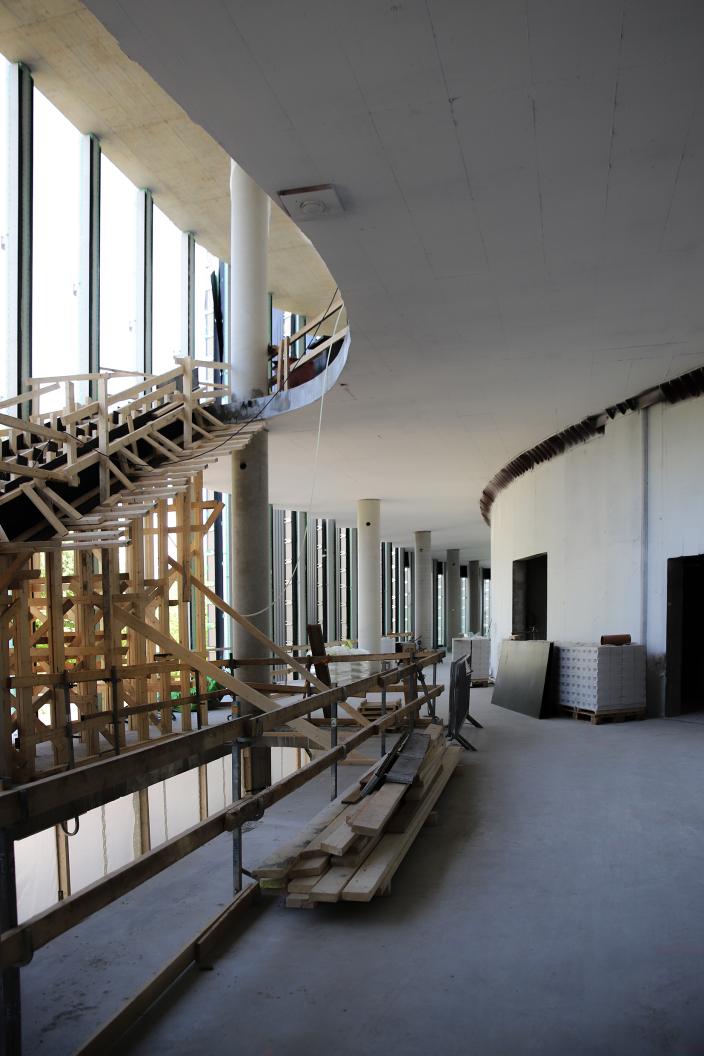
-
Musiikkitalo Fuugan rakennusaika, Open image in gallery
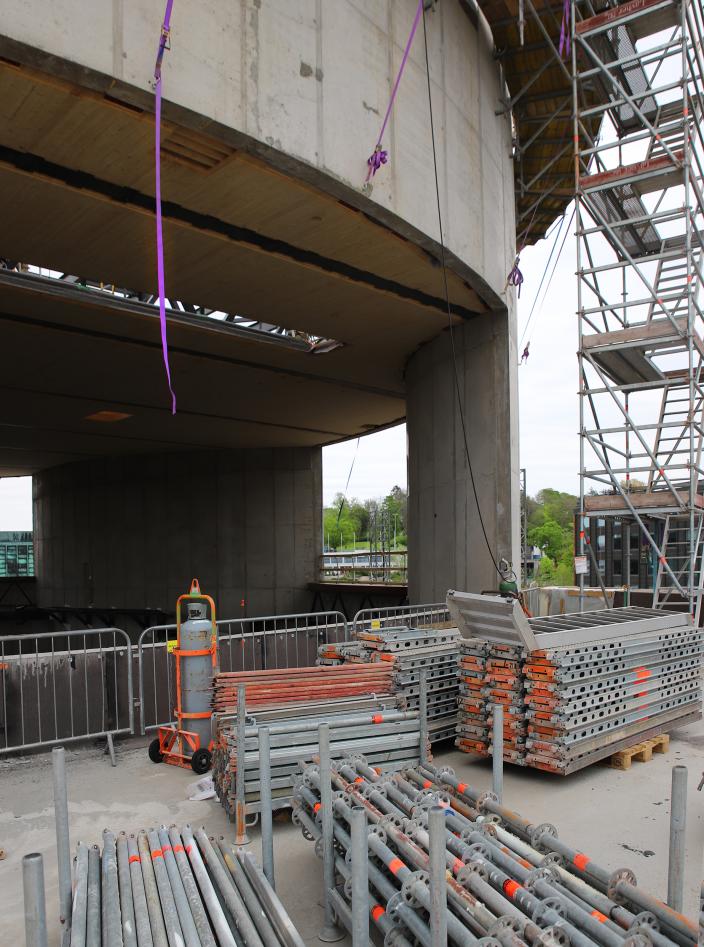
-
Musiikkitalo Fuugan rakennusaika, Open image in gallery