
The Diverse Working Life article series showcases companies and employers that employ multilingual staff across a range of sectors. The series offers a broad insight into organisations’ experiences, practices and everyday working life. Workplaces from different fields are encoura
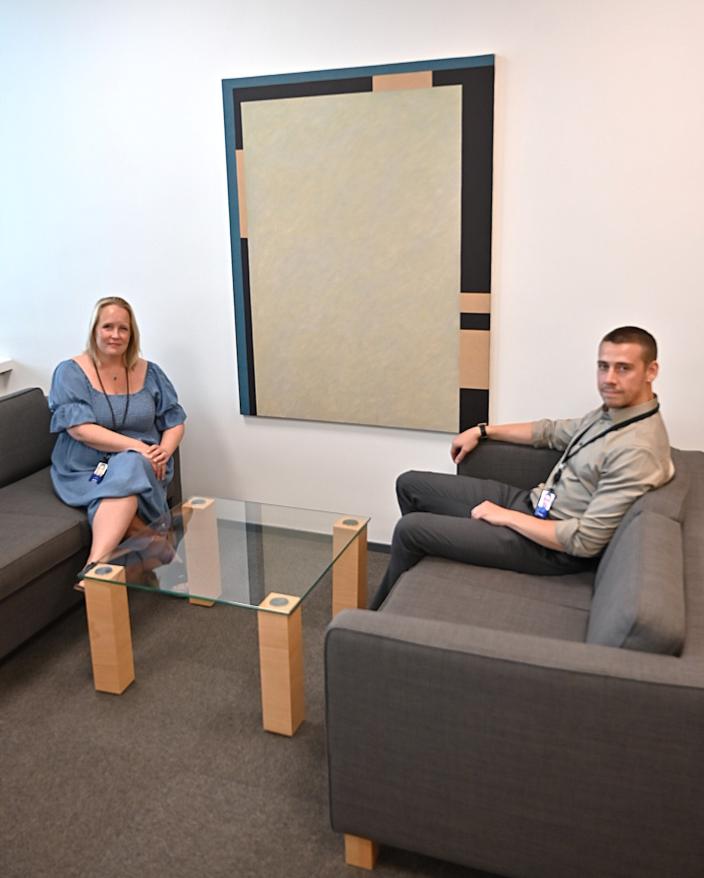
– One concrete change can be seen in customers’ behaviour. Previously, people often contacted customer service about relatively minor issues. Today, they typically get in touch only in exceptional situations, which can be far more complex. As a result, customer service staff need strong professional expertise and a commitment to continuous learning.
– In our group functions in Turku, English is the working language, says Tallbacka-Kitola.
– The fact that people in the workplace are different from one another actually creates a stronger sense of community. Employee engagement has also been seen to improve when it is made clear that, for example, appearance or personal beliefs are irrelevant, and that everyone is free to be themselves while being united by a shared Nordea identity, says Latto. He adds that many topics within teams are approached with humour, which plays an important role in creating a positive and productive working environment.
– Within teams, cultural backgrounds may influence communication styles, and open discussion helps us understand one another better. The more diverse our backgrounds are, the better we can respond to the needs of an increasingly diverse customer base. We believe workforce diversity should be visible. I also see this reflected in the positive results we receive in employee satisfaction surveys, says Tallbacka-Kitola.
Developing and growing together
According to Tallbacka-Kitola, the public sector plays an important role in strengthening the language skills of people who have moved to Finland from abroad, and more could be done in this area because stronger language skills are beneficial in many ways. She also believes it is important to provide newcomers with a better understanding of working life structures and practices in Finland. In her view, the city and businesses could work together more closely to develop effective forms of cooperation in this area.
Referring to the same theme, Tallbacka-Kitola highlights the financial literacy work carried out voluntarily by Nordea employees in cooperation with educational institutions to support young people’s financial skills.
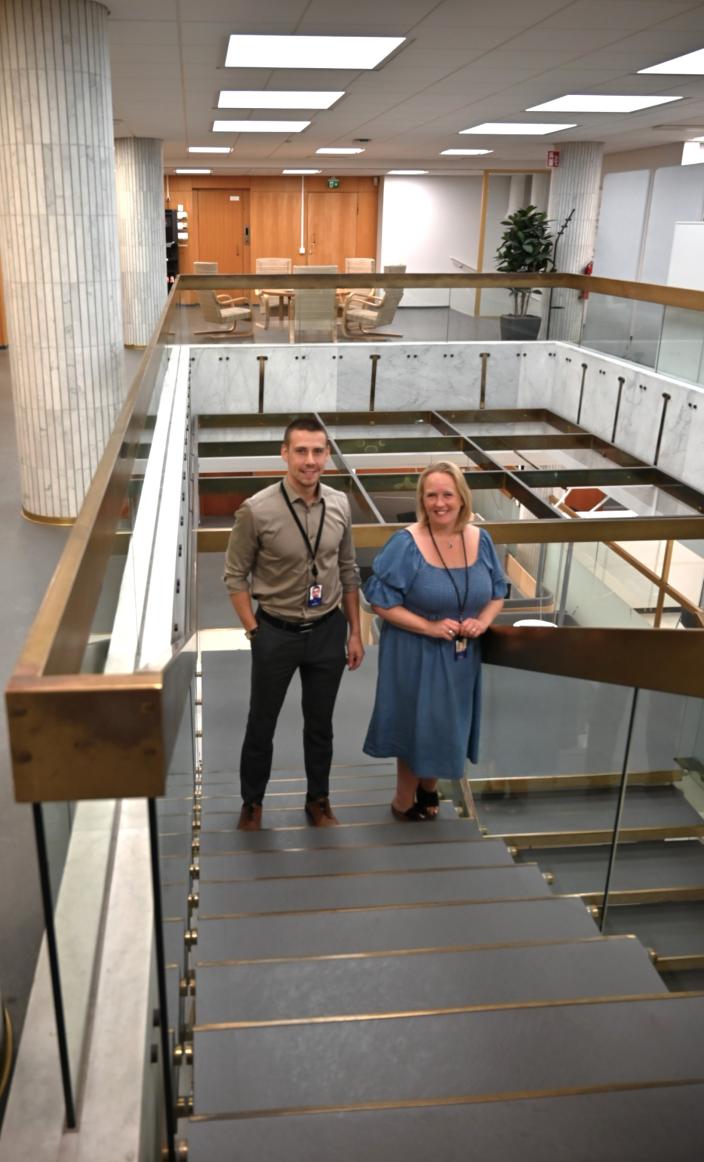
Nordea also collaborates extensively with educational institutions. With the Kupittaa office located close to higher education campuses, a variety of practical partnerships have proven successful. The company considers higher education students to be a valuable source of future talent.
Turku is also seen as an excellent geographical location for financial sector operations, as the wider region enjoys a dynamic economy. Companies within the sector know one another well, and healthy competition contributes positively to the business environment.
When recruiting new employees in Turku, Nordea primarily uses its own online recruitment platforms. Interest in the sector remains strong, and the company receives many applications even when no vacancies are advertised. In customer service roles, for example, successful cooperation has been carried out with Turku University of Applied Sciences to identify potential candidates.
Employees come from a wide variety of educational and professional backgrounds, and not everyone holds a business-related degree. Positions are open to applicants regardless of their background, and extensive prior knowledge of banking is not always required.
– You learn through doing, but every role is goal-oriented and no position today is easy. Employees need to develop comprehensive expertise so that they can serve customers effectively in a wide range of situations. Strong language skills are valuable in all roles. In customer service, the customer encounter is the most important aspect. You need to have a genuine interest in people and current issues in order to provide excellent service. In particular, the ability to learn new skills quickly is a tremendous advantage, say Tallbacka-Kitola and Customer Service Manager Jeremias Latto.
Finally, Tallbacka-Kitola and Latto reflect on the factors that contribute to positive workplace dynamics and smooth cooperation.
– When creating a successful workplace community, it is important for employees in different roles to meet one another outside their usual working environment. If a company has staff spread across multiple locations, it is beneficial to bring them together from time to time. This often increases mutual understanding, which in turn strengthens trust. One simple but successful initiative for building team spirit at Nordea has been a popular regular floorball session on Monday mornings. Over the years, other clubs and opportunities to try different sports have also proven successful. Larger shared events are naturally important as well, helping to strengthen a sense of community that is reflected positively in the workplace.
In relation to multiculturalism, even small gestures such as recognising important celebrations from different cultures can be beneficial. More broadly, organisations should set clear objectives for promoting diversity, making it easier to review practices and monitor progress in a meaningful way.
